
Step 01
Progress feels stalled
You are training hard, but the mirror, scale, and logbook are not moving the way your effort says they should.
Peptides for muscle growth
Compare the peptide categories people use for lean mass, recovery, recomposition, strength output, and physique development, then turn your training profile into a personalized plan.
Performance shortlist
Muscle-growth peptides are not all aiming at the same outcome. Some support GH-axis signaling and recovery, some are used for soft-tissue resilience, and others are compared for recomposition or advanced physique goals.

Muscle-growth category notes
GH secretagogues are usually compared for recovery capacity, sleep quality, and lean-mass support, not instant size.
CJC-1295 / Ipamorelin sits in the GH-axis lane: useful when training volume is high and recovery is the bottleneck.
Sermorelin is a simpler GH-release comparison for users prioritizing sleep, recovery rhythm, and consistency.
BPC-157 / TB-500 belongs in the recovery lane: soft tissue, tendons, ligaments, muscle repair, and staying able to train.
Tesamorelin belongs in the recomp lane: body composition, abdominal fat pressure, and a leaner performance look.
IGF-1 LR3 is the advanced physique lane: direct growth-signaling comparison versus GH-axis support.
Muscle-growth shortlist
Start with the role each category can play in a muscle-growth stack: recovery capacity, lean-mass support, tissue resilience, recomposition, or advanced anabolic signaling.

CJC-1295 / Ipamorelin and sermorelin-style options are commonly compared for sleep quality, recovery capacity, lean-mass support, and training consistency.

BPC-157 / TB-500-style options fit users whose progress is held back by tendon, ligament, muscle, soreness, or training-continuity issues.

Best understood as a recomposition option: leaner waist, better body-composition direction, and a more performance-focused look.
The advanced physique category people compare when they want to understand direct muscle-growth signaling versus GH-axis support.
Lean-muscle comparison
The best peptides for muscle growth are not interchangeable. Some are better for recovery and training consistency, some fit recomposition, and some sit closer to advanced physique development.
Best for recomposition
A strong first comparison when the goal is a leaner, denser look: less abdominal fat pressure, better body-composition direction, and a performance-focused recomp path.
Advanced physique category
The advanced end of the muscle-growth category. It is searched for direct anabolic signaling and physique development, which makes it useful to compare against GH-axis options.
| Rank | Peptide | Common use | Best-fit profile | Desired outcome | Focus | Stack role | Next |
|---|---|---|---|---|---|---|---|
| 01 | Tesamorelin Top focus | Body-composition and lean-mass support | Recomp-focused users who want a leaner waist, better muscle quality, and a cleaner physique direction | Sharper body composition with lean-mass support | Recomposition-focused | Anchor option for recomp or lean-gain plans | Compare |
| 02 | IGF-1 LR3 Top focus | Advanced physique and anabolic signaling comparison | Advanced users comparing the most muscle-growth-focused end of the category | Muscle fullness, growth signaling, and advanced physique positioning | Muscle-growth-focused | Advanced comparison point, not the default starting category | Compare |
| 03 | CJC-1295 / Ipamorelin | GH-axis support, sleep quality, and recovery capacity | Lifters whose progress depends on more consistent recovery and better training output | Better bounce-back, stronger weekly consistency, and lean-mass support | Recovery and performance-focused | Common base category for recovery-led muscle-growth plans | Compare |
| 04 | Sermorelin | GH release support and recovery rhythm | Users comparing a simpler GH-support direction before looking at stronger stacks | Sleep, recovery rhythm, and training-readiness support | Recovery-focused | Entry-level GH-axis comparison option | Compare |
| 05 | BPC-157 | Soft-tissue recovery and training continuity | Users held back by nagging tendon, ligament, muscle, or soreness issues | More consistent training blocks with fewer recovery interruptions | Muscle repair and recovery-focused | Recovery add-on when tissue resilience is the bottleneck | Compare |
Use this table to separate recovery peptides, GH-axis peptides, recomposition options, and advanced physique peptides before you build a muscle-growth stack.
Stack blueprint
Match your goal, training phase, experience level, recovery load, and modality to the peptide category that best fits your current block.
Primary objective
Training modality
Training phase
Experience level
Recovery burden
This blueprint changes as your training context changes. A lean bulk, recomp, cutting phase, or recovery-heavy block should not point to the same peptide stack.
Core direction
Tesamorelin or GH-axis support as the first comparison for lean-mass and body-composition goals
Why it fits
GH-axis support fits when higher training volume needs better recovery, sleep quality, and readiness
Next move
Use the selected goal and phase to choose the first comparison page, then build the full plan
Phase adjustment
Phase bias: maintenance favors a focused stack direction that matches the main bottleneck.
Training adjustment
Bodybuilding makes lean-mass, recomp, and contest/cutting phase context more important.
Stack logic
Use this to decide whether your first comparison should be GH-axis support, recovery peptides, recomposition support, or advanced physique options.
How it works
Choose the goal: lean gain, bulk, recomp, cutting retention, recovery, or performance output
Add your training style, weekly volume, phase, experience level, and current bottleneck
Compare the peptide categories that fit: GH-axis, recovery, recomposition, or advanced physique
Narrow the stack direction to what best supports your training and body-composition target
Use the plan to decide which comparison page, peptide category, or next step is worth your time
Training context tool
Your weekly volume changes what matters most. A lifter training twice per week needs a different plan than someone pushing five or six hard sessions with recovery debt.
Set your weekly training baseline
Choose the physique or performance focus
Use the readout to pick the right comparison page
Weekly training baseline
Move the slider
Performance focus
Performance readiness
Consistent base
Best first category
Recovery buffer: 4-6 days
This is a planning aid for choosing the right comparison direction. It is built for stack planning, not a how-to guide.
Compare nextThe change people want to see
People search for peptides because they want the outcome: more muscle, better recovery, stronger sessions, sharper body composition, and the confidence that comes from seeing training finally translate.
You are training hard, but the mirror, scale, and logbook are not moving the way your effort says they should.
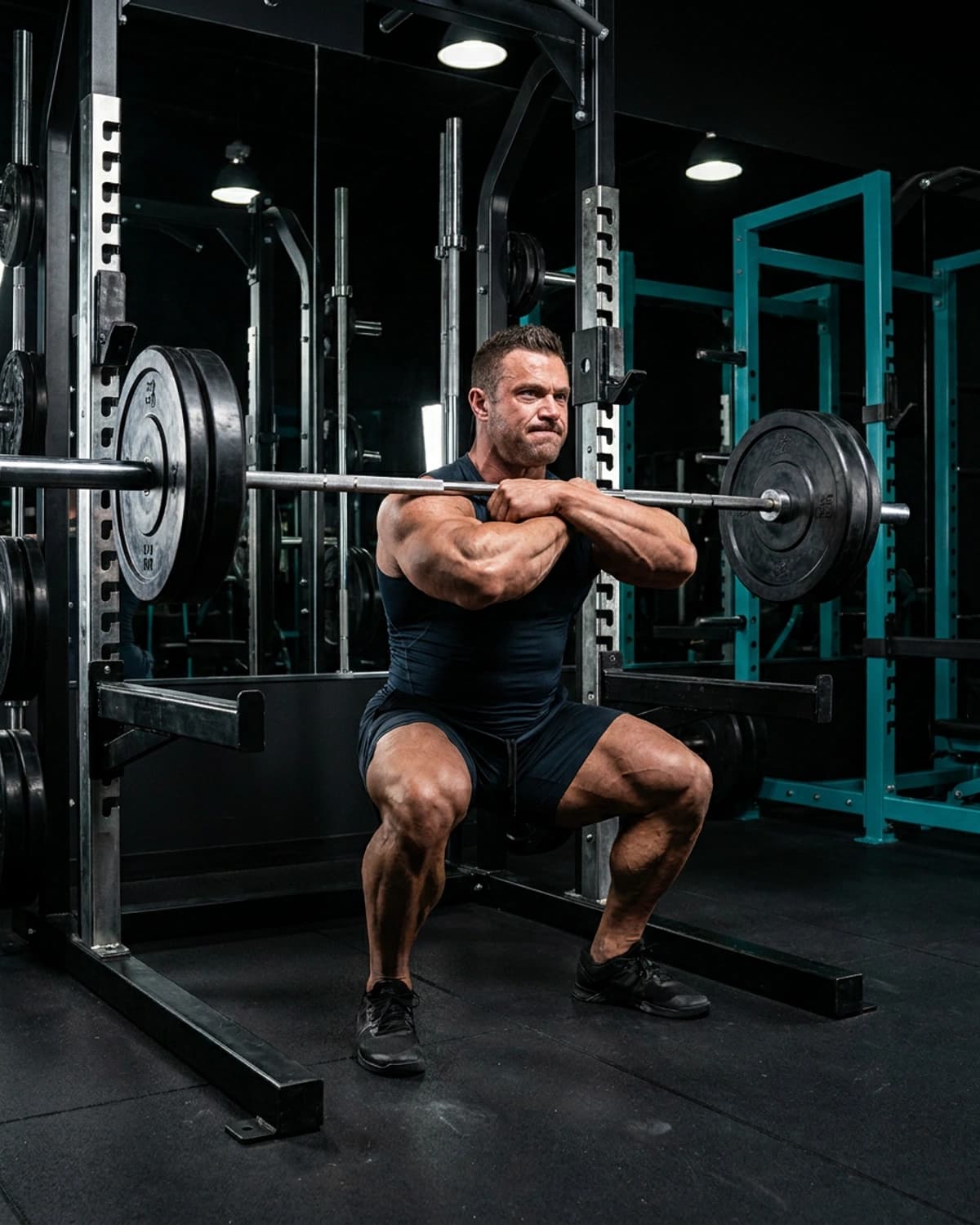
The right stack direction starts with the bottleneck: growth, recovery, recomposition, strength output, or training consistency.

The goal is momentum: harder sessions, faster bounce-back, more visible muscle, and a leaner physique over time.
Plan inputs
Build around the bottleneck
Plan clarity
The right peptide direction depends on what you are trying to change: more lean mass, better recovery between sessions, stronger training output, or a sharper body-composition shift. Evolou helps translate those inputs into a plan that is easier to compare and act on.
Goal, training phase, and experience level shape the stack direction
Recovery load, soreness, sleep quality, and injury history change what should move up the list
Your output is built around the bottleneck: growth, recomposition, training consistency, or recovery
FAQ
Next step
Answer a few questions about your goal, training style, recovery load, and body-composition target, then see the peptide direction that fits your current block.
Related peptide paths
Start with the full peptide library when you want a broader view of weight loss, recovery, muscle, skin, sleep, and energy options.
Compare commercial peptide paths before choosing a product, provider, calculator, or plan route.
Compare the longer GH-support anchor against Ipamorelin for sleep, recovery rhythm, lean mass, and body-composition goals.
Separate a shorter GH-support rhythm from longer CJC-1295 signalling before choosing a muscle-growth direction.
Add recovery context when tendon stress, joint irritation, soreness, or tissue repair limits training output.
Connect muscle growth with male-focused lean mass, strength, recovery, energy, and body-composition goals.
Want a full setup plan? Get personalized peptide recommendations in 2 minutes.